
How to clean painted walls is one of the most common home maintenance questions, especially in Indian homes where dust, cooking fumes, and humidity affect wall surfaces quickly. Painted walls add beauty and refinement to any home—until stains, fingerprints, grease, and watermarks start showing up. Whether your home has emulsion paint, wipeable finishes, or textured walls, learning how to clean painted walls the right way helps maintain your interiors without damaging the paint.
In this complete guide, you’ll learn step-by-step methods to clean every type of painted wall, safe DIY cleaning mixtures, stain-removal techniques, do’s and don’ts, and expert insights from Limehouse Decor.
For more home care tips, you can also check our guides on Terrace Waterproofing Cost in India and Small Modular Kitchen Design Ideas.
Why Understanding How to Clean Painted Walls Helps Keep Your Home Fresh
Even if your home looks well-maintained, walls gradually collect:
- Dust and cobwebs
- Cooking grease
- Cigarette or incense smoke stains
- Fingerprints and hand marks
- Crayon or pencil marks
- Water splashes and moisture patches
If ignored, these stains become harder to remove and may cause the paint to fade or peel.
Regular wall cleaning helps you:
- Extend paint life: Dirt weakens the paint surface over time.
- Maintain hygiene: Especially important for homes with kids or pets.
- Preserve colour brightness: Dust creates a dull, greyish layer.
- Reduce repainting costs: Clean walls last longer and look new for years.
Regular cleaning is especially important in Indian homes due to pollution, cooking oil vapors, and seasonal humidity.
Know Your Paint Type Before You Start Learning How to Clean Painted Walls
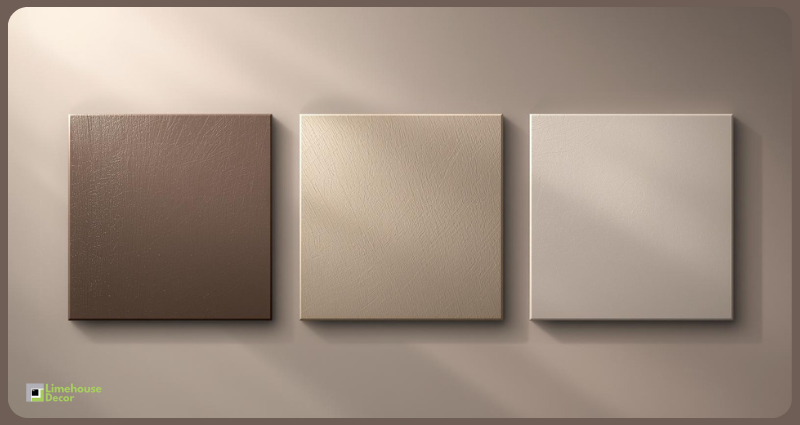
Before you start cleaning, identify your wall paint finish. Each type reacts differently to water, cleaners, and scrubbing.
1. Matte or Flat Paint
- Soft, powdery texture
- Non-reflective surface
- Easily absorbs stains
- Scrubbing can leave patchy marks
Cleaning Tip:
Use a very mild soap solution and a soft microfiber cloth. Avoid scrubbing or circular rough strokes.
2. Satin or Eggshell Paint
- Slight sheen
- More durable than matte
- Suitable for bedrooms and living rooms
- Can handle gentle scrubbing
Best For:
Areas that need occasional cleaning but not too much moisture.
3. Semi-Gloss & Glossy Paint
- Highly durable and moisture-resistant
- Easy to wipe
- Ideal for kitchens, bathrooms, and kids’ areas
Cleaning Tip:
Glossy walls tolerate scrubbing and stronger cleaning solutions. Excellent for stain-prone areas.
4. Distemper Walls
- Traditional lime-based paint
- Not washable
- Water or cleaners may damage the surface
Avoid:
Liquid cleaning. Only dry dusting is safe.
If you’re planning to repaint soon, explore our guide: Interior Design Cost 2025 to budget better.
How to Clean Painted Walls the Right Way (Step-by-Step)
Cleaning walls properly ensures you don’t spread stains, scrape paint, or create patchy areas.
Step 1 – Dust the Wall Properly Before You Begin to Clean Painted Walls
Dusting is essential before applying any liquid. Otherwise, dust will smear into mud-like marks.
Remove:
- Dust
- Cobwebs
- Loose dirt
- Dry stains
Tools you can use:
- Microfiber cloth
- Soft broom wrapped with cloth
- Vacuum cleaner with brush attachment
Always start from the ceiling downward so the dust falls and can be cleaned later.
Step 2 – Prepare a Safe Cleaning Solution
A gentle mixture works best for most wall finishes.
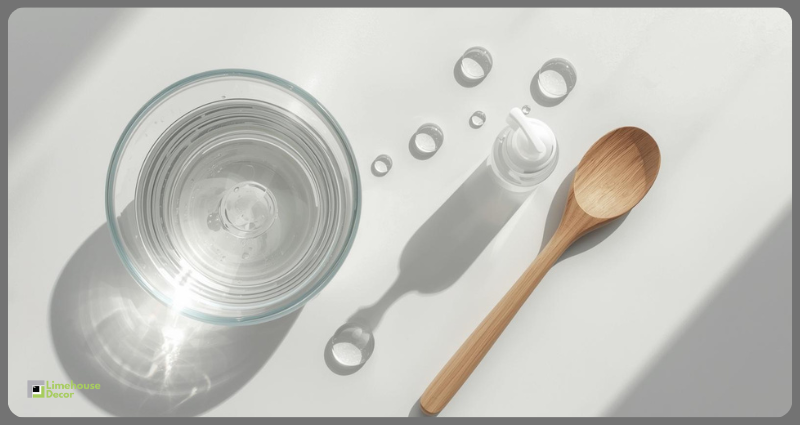
DIY Cleaning Solution:
- 1 bucket lukewarm water
- 5–8 drops of liquid dish soap
- Optional: ½ cup white vinegar (excellent for grease and stains)
Avoid:
- Harsh detergents
- Bleach
- Acidic solutions
- Phenyl
These can damage paint and leave faded marks.
Step 3 – Start Cleaning from Bottom to Top
Many homeowners clean from top to bottom and get drip marks.
Instead, clean from bottom to top to avoid streaking.
Process:
- Dip a soft sponge in the cleaning mix.
- Squeeze out excess water.
- Wipe in gentle circular movements.
- Clean small sections at a time.
- Don’t oversaturate the wall—moisture damages paint.
Step 4 – Rinse and Dry
After cleaning, rinse the area with clean water.
- Use a fresh sponge
- Wipe again with a microfiber cloth
- Dry immediately
Drying prevents water stains or streak marks from settling.
How to Remove Specific Stains When Learning How to Clean Painted Walls
Different stains require different treatments. Here’s how to target each one safely:
1. Fingerprints & Smudges
Fingerprints are common near switches, doorways, and kids’ rooms.
How to clean:
- Use a damp microfiber cloth
- Add mild soap if needed
For glossy finishes:
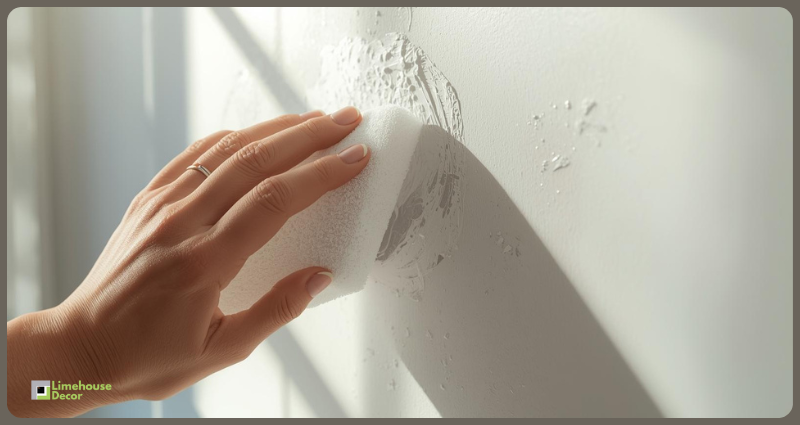
A magic eraser works effectively.
2. Grease Stains (Kitchen Walls)
Kitchen walls often have oily, sticky stains.
Mixture:
- 1 tsp baking soda
- Warm water
Apply gently. Baking soda dissolves grease without damaging the paint.
3. Crayon or Pencil Marks
Perfect solution for families with kids:
- Use a magic eraser
- Or apply non-gel toothpaste, rub gently, and wipe
Note: Avoid using this method on matte walls—they can fade.
4. Water Stains
Usually caused by moisture, leaks, or splashes.
Use:
- Vinegar + water solution (1:1)
- Wipe with soft cloth
If stains keep returning, inspect moisture issues.
Cleaning Tips for Different Rooms
Each room in your house demands a different level of cleaning attention.
Living Room
- Dust once a week
- Deep clean once a month
- Clean high-touch areas often
Living rooms collect dust quickly due to constant activity.
Bedroom
Focus on:
- Headboard wall
- Corners
- AC area
Cleaning frequency: Every 1–2 months.
Kitchen Care Tips While Applying How to Clean Painted Walls Methods
The most stain-prone area.
- Use glossy or satin paint
- Wipe weekly
- Remove grease immediately
Regular cleaning avoids long-term sticky stains.
Bathroom Care While Following How to Clean Painted Walls Techniques
High moisture makes cleaning important.
- Use semi-gloss or gloss paint
- Wipe moisture every few days
- Remove water splashes immediately
Common Mistakes to Avoid When Learning How to Clean Painted Walls
Many homeowners unknowingly damage their walls. Avoid the following:
- Do not use acid, bleach, or phenyl
- Do not scrub aggressively
- Avoid using hot water
- Do not clean freshly painted walls (wait 15 days)
- Do not soak the wall excessively
Being gentle is the secret to long-lasting, beautiful painted walls.
How Often Should You Follow the Steps on How to Clean Painted Walls?
- Normal rooms: Once a month
- Kitchen: Weekly
- Kids’ rooms: Every 15 days
- High-traffic areas: Every 2–3 weeks
- After festivals/decor: Clean immediately
Indian homes with humid climates or dusty locations should clean walls more frequently.
FAQs
Q1. What is the safest way to clean painted walls?
Use mild soap water and a soft sponge. Avoid harsh chemicals and scrubbing.
Q2. Can I wash matte painted walls?
Only light cleaning is safe. Avoid hard scrubbing or strong cleaners.
Q3. How do I remove grease stains from kitchen walls?
Mix warm water with baking soda and gently wipe the area.
Q4. How often should I clean painted walls?
Monthly for normal rooms, weekly for kitchens, and fortnightly for high-traffic walls.
Q5. Can cleaning damage the paint?
It can, if aggressive scrubbing or harsh chemicals are used.
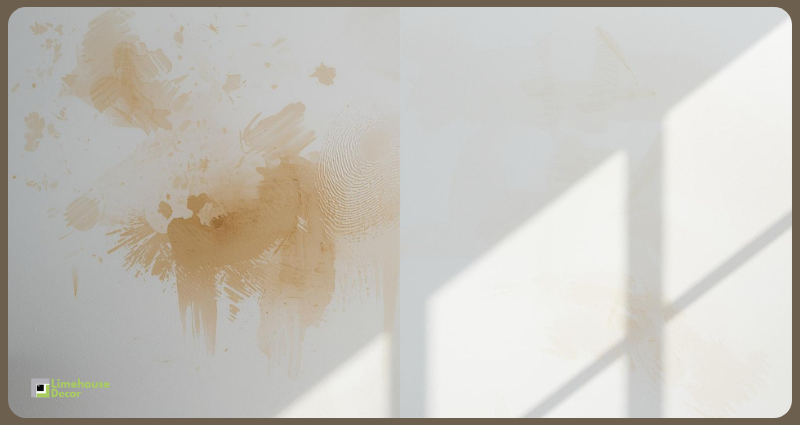
Conclusion:
Learning how to clean painted walls the right way helps you maintain fresh, beautiful interiors without the cost of frequent repainting. Whether your home has matte, satin, or glossy walls, using the right tools and safe cleaning solutions ensures long-lasting paint and spotless surfaces.
If you need professional wall cleaning, repainting, or complete interior renovation in Delhi NCR,
👉 Contact Limehouse Decor today for expert and affordable services.